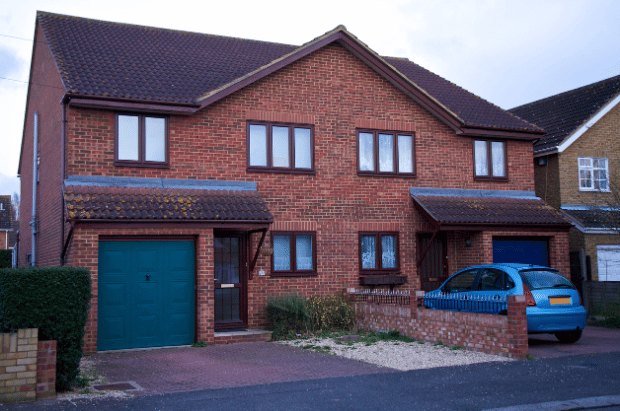
Does your garage door make strange noises? It’s one of those things that’s easy to ignore at first, but almost always gets worse if you leave it. The good news is that most noises have a clear cause, and once you know what you’re listening for, you can usually work out whether it’s a quick fix you can handle yourself or something that needs a professional eye.
This guide walks you through the most common garage door noises, what they typically mean, and what to do next. Whether your door is grinding, squeaking, rattling, or banging, there’s a reason behind it.
Important: Always disconnect the power to an automatic garage door opener before inspecting any moving parts. If your door uses a torsion spring system, do not attempt to adjust or replace springs yourself. These are under extreme tension and can cause serious injury if handled incorrectly.
How to Diagnose Your Garage Door Noise
Not all garage door noises are the same, and the type of sound you’re hearing is the single most useful clue when it comes to pinpointing the problem. Before you reach for the lubricant or pick up the phone, spend a moment listening carefully.
Step 1: Identify when the noise happens
- Only when opening: Likely related to the lifting mechanism, springs, or rollers under load.
- Only when closing: Could be a track issue, worn rollers, or the door dropping too quickly.
- Throughout the full cycle: Usually points to dry or worn components that need lubrication or replacement.
- Only at the start or end of movement: Often a sign of loose hardware or a door that’s slightly out of alignment.
Step 2: Identify where the noise is coming from
Stand back and watch the door move. Try to isolate whether the sound is coming from the top of the door, the sides, the tracks, the motor unit, or the springs. This will help you match the noise to the right cause below.
Step 3: Note the type of sound
Use the sections below to match your noise to a likely cause and the appropriate fix.
Squeaking or Squealing
A squeaking or squealing garage door is one of the most common complaints, and it’s usually the easiest to fix.
Most likely cause: Dry or poorly lubricated rollers, hinges, or tracks. Metal components that rub against each other without adequate lubrication will produce a high-pitched squeak, especially in cold or damp weather.
What to check
- Rollers: Look at the small wheels that run along the inside of the track. If they look dry, rusty, or are visibly worn, they need attention.
- Hinges: The hinges connecting each panel on a sectional door can squeak when they’re dry or beginning to wear.
- Tracks: Dirt and grime build-up inside the tracks can cause friction as the rollers move through them.
What to do
- Clean the tracks with a damp cloth to remove any dirt or debris.
- Apply a silicone-based or lithium-based lubricant to the rollers, hinges, and the inside of the tracks. Avoid WD-40 for this job; it’s a water displacer, not a long-term lubricant, and it can attract more dirt over time.
- Run the door through a full cycle to distribute the lubricant evenly.
- If the squeaking continues after lubrication, the rollers may be worn and due for replacement.
When to call a professional: If you’ve lubricated everything and the noise persists, or if the rollers look cracked, flat-spotted, or badly corroded, it’s worth having them replaced by a technician. Worn rollers put extra strain on the rest of the mechanism.
Grinding or Scraping
A grinding or scraping noise is more serious than a squeak and shouldn’t be ignored. It usually means metal is contacting metal when it shouldn’t.
Most likely causes: Worn or damaged rollers, a bent or misaligned track, or debris caught in the track.
What to check
- The tracks: Look along both tracks for visible bends, dents, or sections that have come away from the wall. Even a slight misalignment could cause the rollers to scrape as they move through.
- The rollers: If the wheels themselves are cracked, chipped, or have lost their round shape, they will grind rather than roll smoothly.
- Inside the tracks: Small stones, dirt, or even a build-up of old lubricant can harden and cause a scraping noise.
What to do
- Inspect the tracks closely. If you spot debris, clear it out with a stiff brush or cloth.
- Look for any visible bends in the track. Minor bends can sometimes be gently tapped back into shape with a rubber mallet, but this is a job that requires care.
- Do not force the door to continue operating if you can see the track is significantly bent, or the rollers are clearly damaged. Continuing to use it will make the problem worse and could cause the door to come off the track entirely.
When to call a professional: Track realignment and roller replacement are jobs best left to an experienced engineer. A door that’s grinding puts strain on the motor (if it’s automated) and on the springs, which can lead to a much more expensive repair down the line. Our garage door repair service covers exactly this kind of issue.
Rattling or Vibrating
A rattling noise during operation is usually less urgent than grinding, but it’s still worth investigating. Loose components that rattle now can work themselves free over time.
Most likely causes: Loose nuts, bolts, or screws on the door panels, tracks, or motor unit. On roller doors, the coil housing can also vibrate if it’s not properly secured.
What to check
- All visible hardware: Work your way around the door and check every bolt, nut, and screw you can see. Give each part a light tug to look for movement.
- The track brackets: These are the metal brackets that hold the tracks to the wall or ceiling. They take a lot of stress over time and can loosen.
- The motor unit (if automated): The opener unit is typically bolted to the ceiling. Vibration from regular use can gradually loosen the fixings.
- Door panels: On sectional doors, the panels themselves are connected by hardware that can loosen over years of use.
What to do
- Using the appropriate spanner or screwdriver, tighten any loose fixings you find. Don’t overtighten, as this can strip threads or crack brackets.
- If a bolt keeps working loose, a small amount of thread-locking compound can help hold it in place.
- Check whether the rattling changes or stops after tightening. If it does, you’ve found the culprit.
Tip: Make tightening the hardware part of your annual garage door maintenance routine. It takes about 10 minutes and can prevent a lot of problems before they start.
When to call a professional: If the rattling is coming from inside the door panels themselves, or if you notice the door is vibrating more than usual during operation, it’s worth getting a professional to take a look. Excessive vibration can sometimes indicate a motor or spring issue.
Banging or Popping
A sudden bang or loud pop from your garage door is one of the more alarming sounds, and for good reason. It almost always points to a spring-related problem.
Most likely cause: A broken torsion or extension spring. Springs are under enormous tension and when one snaps, it makes a loud bang that can sound like a gunshot. This is one of the most common causes of garage door failure in the UK.
How to identify a broken spring
- The door feels extremely heavy when you try to lift it manually.
- The door only opens a few inches before stopping (automatic openers have a safety mechanism that prevents operation with a broken spring).
- You can see a visible gap in the spring coil, or the spring is hanging loose.
- The door is visibly uneven when open or closed, sitting lower on one side.
This is not a DIY repair. Garage door springs are under significant tension and replacing them without the correct tools and training is genuinely dangerous. Several serious injuries occur each year in the UK from DIY spring replacement attempts.
Other causes of banging
Not every bang is a broken spring. Other possibilities include:
- Loose panels: A panel that’s come partially loose can bang against the frame or the adjacent panel as the door moves.
- The door hitting the floor hard: If the door is dropping too quickly at the end of its travel, it may need the closing speed adjusted or the limit settings on the opener recalibrated.
- Popping from the panels themselves: Temperature changes can cause metal panels to expand and contract, producing a popping sound. This is more common in cold weather and is generally harmless, though it can be reduced with insulated panels.
When to call a professional: Any suspected spring breakage requires a professional repair. Do not attempt to operate the door manually or with the opener until the spring has been assessed. Contact our team and we can arrange a repair visit promptly.
Rumbling or Straining Motor Sounds
If you have an automatic garage door and you’re hearing a deep rumble, a straining sound, or the motor running longer than usual before the door moves, the problem may not be the door itself.
Most likely causes: The motor is working harder than it should be, usually because something mechanical is resisting it. This could be a friction issue in the tracks, a spring that’s losing tension, or a door that’s slightly out of balance.
What to check
- The balance of the door: Disconnect the opener (there’s usually a red cord hanging from the trolley) and try lifting the door manually to about waist height, then let go. A well-balanced door should stay in place. If it drops or shoots upwards, the springs are out of balance.
- The tracks and rollers: Any of the issues described in the grinding section above will also cause the motor to strain.
- The opener settings: Older openers sometimes have the force settings adjusted too high or too low. Consult your opener’s manual if you suspect this.
Important: A motor that regularly strains or runs hot is at risk of burning out. Opener units are not cheap to replace, so it’s worth addressing the underlying cause sooner rather than later.
When to call a professional: If the door fails the balance test, the springs need adjusting. This is specialist work. Similarly, if the motor is making unusual sounds even on a door that moves freely, the opener unit itself may need servicing or replacement.
Quick Reference: Noise, Cause, and Action
Not sure what you’re hearing? Match the sound to the most likely cause and whether it’s something you can tackle yourself.
- Squeaking or squealing – Dry rollers, hinges, or tracks. DIY fix: lubricate with silicone or lithium spray.
- Grinding or scraping – Worn rollers, bent track, or debris. Partially DIY: clear debris yourself, but call a professional for track or roller work.
- Rattling or vibrating – Loose bolts, brackets, or motor fixings. DIY fix: tighten all hardware with a spanner.
- Loud bang or pop – Broken spring. Not DIY: always call a professional.
- Rumbling or straining motor – Door out of balance or friction in the mechanism. Partially DIY: check the balance yourself, but call a professional if the springs need adjusting.
- Popping in cold weather – Panel expansion and contraction. Usually harmless; consider insulated panels if it bothers you.
How to Prevent Garage Door Noise in the First Place
Most garage door noises are the result of neglect rather than sudden failure. A small amount of routine maintenance goes a long way towards keeping things quiet and increasing the life of your door.
Annual maintenance checklist
- Lubricate moving parts once a year (or every six months in particularly damp or cold environments). Focus on rollers, hinges, the torsion spring (not the tracks themselves), and the bearing plates.
- Tighten all visible hardware, including track brackets, hinge bolts, and the motor unit fixings.
- Clean the tracks with a damp cloth to remove dirt and old lubricant. Avoid spraying lubricant directly into the tracks, as this attracts grime.
- Test the door balance by disconnecting the opener and checking whether the door holds its position at mid-height.
- Inspect the rollers and springs for visible wear, rust, or damage. If the rollers have nylon wheels, examine for cracks. If the springs look corroded or uneven, have them assessed by a professional.
For a more detailed walkthrough, our guide on common garage door problems and how to fix them covers a wider range of issues that routine checks can catch early.
The real cost of ignoring a noisy door: A squeak that costs nothing to fix with a can of lubricant can become a worn roller, which becomes a bent track, which becomes a door off its runners. Catching things early is always cheaper.
Still Not Sure? We Can Help
If you’ve worked through this guide and you’re still not sure what’s causing the noise, or if you’re not comfortable carrying out the checks yourself, that’s completely fine. That’s what we’re here for.
Garage Doors 4 You has been repairing and maintaining garage doors across Kent for over 35 years. We carry no call-out charge, and our engineers can usually diagnose the problem on the first visit. Whether it’s a straightforward lubrication job or something more involved like a spring replacement or track realignment, we’ll give you a straight answer and a fair price.
Get in touch with our team or request a free quote and we’ll take it from there.