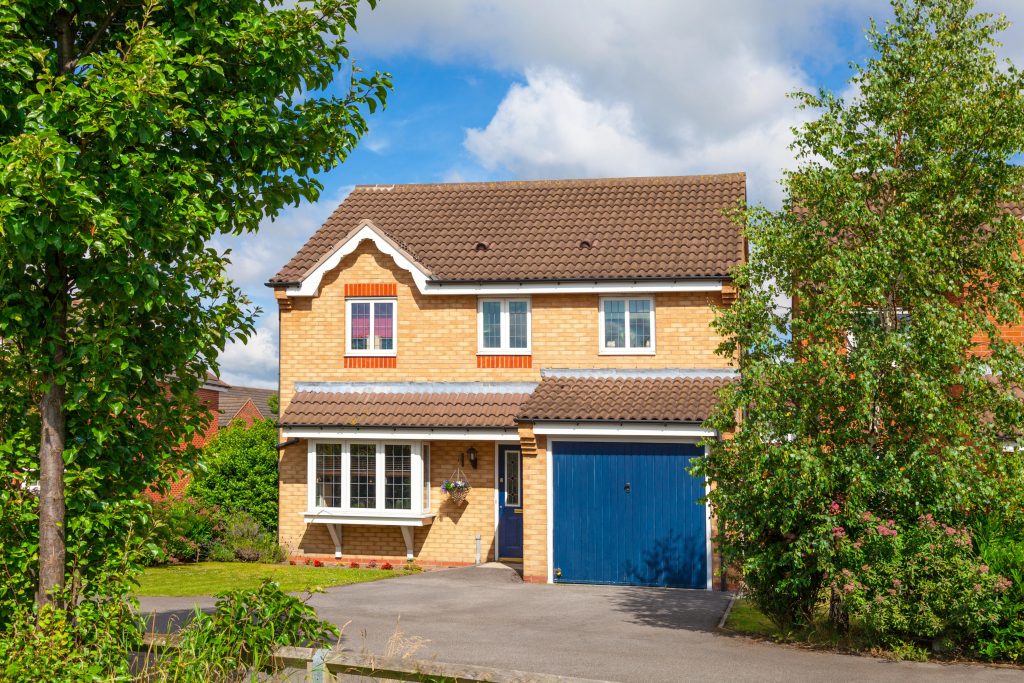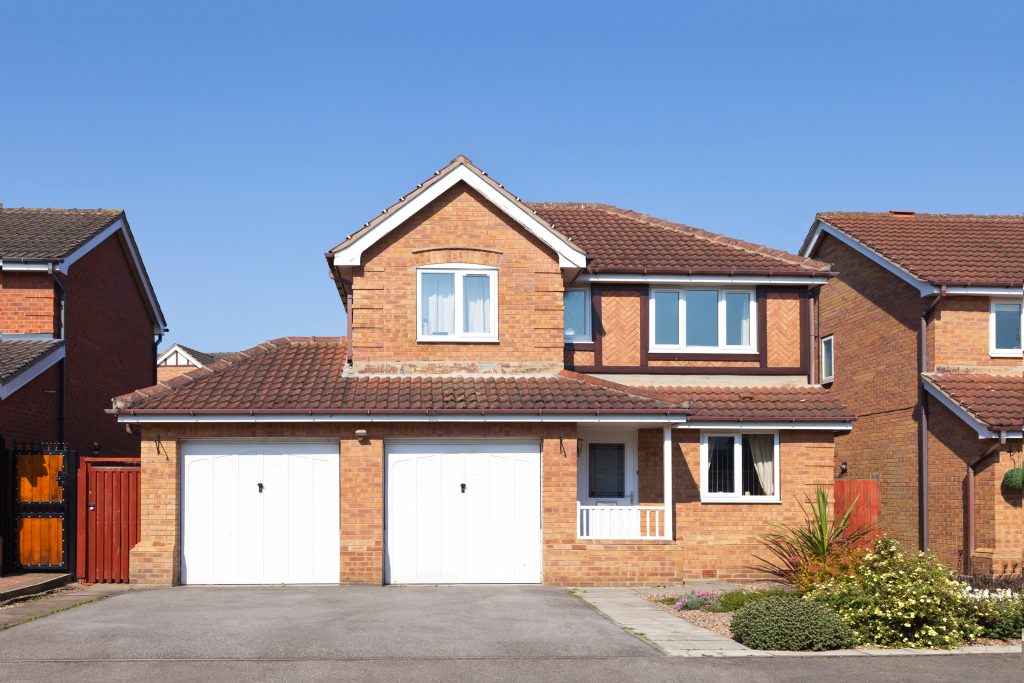
Choosing the right material for your garage door is a key decision that impacts not only the appearance of your home but also its energy efficiency, security, and maintenance needs. With so many options available, understanding the pros and cons of each material can help homeowners make an informed decision that suits both their style and budget.
In this guide, we’ll explore the most common garage door materials: steel, aluminium, wood, wood composite, fibreglass, and vinyl. Each has unique characteristics that make it ideal for certain homes and environments.
Steel Garage Doors
Overview
Steel is the most popular material for garage doors today. Known for its durability and affordability, steel doors come in a wide range of styles and colours, including options that mimic wood grain textures.
Pros:
- Extremely durable and long-lasting
- Low maintenance
- Can be insulated for energy efficiency
- Resistant to warping and cracking
Cons:
- Can dent if hit with enough force
- Susceptible to rust in coastal or humid environments unless properly coated
Best For:
Homeowners looking for a cost-effective, durable solution with minimal upkeep.
Aluminium Garage Doors
Overview:
Aluminium doors share many characteristics with steel but are lighter and more resistant to rust. They are often used for modern, sleek designs, sometimes incorporating large panels of glass.
Pros:
- Lightweight, which reduces strain on hardware
- Rust-resistant
- Ideal for contemporary styles
- Low maintenance
Cons:
- Easier to dent than steel
- Less insulating unless equipped with thermal breaks
Best For:
Homes in coastal areas or those looking for a modern aesthetic.
Wood Garage Doors
Overview:
Wood garage doors offer a timeless, classic look and can greatly enhance a home’s curb appeal. They are custom-built and available in a variety of styles and finishes.
Pros:
- Natural beauty and charm
- Can be stained or painted to match your home
Cons:
- Requires regular maintenance (painting or staining)
- Can warp or crack due to moisture or temperature changes
- Heavier than other materials
Best For:
- Homeowners who prioritise aesthetics and are willing to invest in upkeep.
Wood Composite Garage Doors
Overview:
Composite garage doors are made from recycled wood fibres and resins. They offer the appearance of real wood without some of the drawbacks.
Pros:
- Mimics the look of real wood
- More resistant to rot and splitting
- Lower maintenance than traditional wood
- Often more afforsable than real wood
Cons:
- Not as natural-looking up close
- Can be heavy, depending on construction
Best For:
Those who want the charm of wood with less maintenance and a lower price tag.
Fibreglass Garage Doors
Overview:
Fibreglass garage doors are made with a steel or aluminium frame and fiberglass panels. They’re lightweight and resistant to moisture and insects.
Pros:
- Lightweight
- Resistant to corrosion and moisture
- Can be moulded to resemble wood grain
Cons:
- Can fade or become brittle with prolonged sun exposure
- Limited insulation capabilities
- Not as durable as steel or wood
Best For:
Homes in humid climates where rust and rot are concerns.
Vinyl Garage Doors
Overview:
Vinyl is a newer option that has become popular due to its durability and low-maintenance properties. It’s particularly resistant to dents and scratches.
Pros:
- Durable and dent-resistant
- Low maintenance
- Resistant to rust, rot, and insects
- Good insulation options available
Cons:
- Limited colour choices
- May fade over time
- Can look less premium than other materials
Best For:
Busy families or homeowners looking a long-lasting, worry-free door.
Final Thoughts
The material you choose for your garage door can significantly affect your home’s appearance, maintenance needs, and even your energy bills. While steel and aluminium offer strength and low maintenance, wood provides unmatched beauty. Composite and vinyl doors strike a balance between aesthetics and durability, while fibreglass works well in moisture-heavy environments.
When selecting the right material, consider your local climate, budget, desired style, and how much maintenance you’re comfortable performing. If you’re unsure which material is right for your home, contact our team, we’re happy to help you make the best choice for your needs.
We have been working with domestic and industrial doors for almost 4 decades and have a wealth of industry expertise and knowledge to share with our customers. We believe in traditional customer service, where you can talk to a real person from your initial enquiry through to the fitting process so get in touch.